Ethnobotanical survey of insecticidal plants in El Chellal (M’Sila) region and repellent activity of powder for some species
DOI:http://doi.org/10.65613/743985
ARAB Radhia1, BOUKHAROUBA Manel2, HABBACHI Wafa3
1Department of Nature and Life Sciences, Faculty of Sciences. University Mouhamed Boudiaf, M’Sila, Applied Neuroendocrinology Laboratory. Department of Biology, Faculty of Sciences, University of Badji Mokhtar, Annaba (Algeria), E-mail: radhia.arab@univ-msila.dz
2Department of Nature and Life Sciences, Faculty of Sciences. University Mouhamed Boudiaf, M’Sila (Algeria), E-mail: boukharoubamanel28@gmail.com
3Department of Biology, Faculty of Science, University Badji Mokhtar BP 12, 23000 Annaba, Applied Neuroendocrinology Laboratory. Department of Biology, Faculty of Sciences, University of Badji Mokhtar, Annaba (Algeria), E-mail: habbachi.waffa@yahoo.fr
Received:20/03/2026;Accepted: 24/07/2026; Published:20/10/2026
Abstract:
The aim of this study is proposing alternatives to chemical insecticides harmful to health and the environment, this Ethnobotanical study inventories the plants with repellent or insecticidal properties used by the population of the El-Chellal regionand evaluate the repellent effect of some species: Syzygium aromaticum L., Laurus nobilis L., Rosmarinus officinalis L.,and Ruta chalepensis L. on the stored grain insect Tribolium castaneum Herbst. (Coleoptera, Tenebrionidae)in laboratory conditions.An Ethnobotanical investigation was carried out throughout the period from February to March 2026. A cumulative total of 244 respondents were surveyed regarding their awareness and utilization of indigenous flora across three villages in the El-Chellal area. The powders from four botanical sources were procured via an electric grinder and combined with durum wheat semolina; three dosages of 0.5g, 1g, and 1.5g were formulated and evaluated on red flour beetle.The survey revealed the utilization of 41 plant species of 23 families with Lamiaceae family dominating. The aerial parts are the most exploited resource with 67.18% of the uses. Moreover, the preparation methods are mostly controlled by the raw condition of the plant which shows the largest percentage with 39.88%. In the repellency test, it was found that the repellency rates of the powders were different according to the plant and the concentration of the powder. Powders of Syzygium aromaticum L., Ruta chalepensis L. and Laurus nobilis L. were more repellent for Tribolium castaneum (100%, 87.78% and 76.83%), compared to powder of Rosmarinus officinalis L. (10%).
Keywords: Ethnobotanical, insecticidal plants, Syzygium aromaticum L., Ruta chalepensis L., Laurus nobilis L., Rosmarinus officinalis L., Tribolium castaneum Herbst., the repellent effect, powder.
1. Introduction
Stored-product insects are among the most damaging pests of cereals and pulses, causing both direct and indirect losses throughout grain processing and storage (Chitra & Subramanian, 2016; Demis &Yenewa, 2022). Most of the species of economic importance belong to the orders Coleoptera, Lepidoptera and Psocoptera(Demis &Yenewa, 2022), and beetles and weevils can destroy an entire stock within a short time if no protective measure is applied (Tamgno& Ngamo, 2013).
For decades, grain protection has relied on synthetic pesticides. However, their adverse effects on human health and the environment, as documented for DDT and methyl bromide, together with the emergence of resistance, for instance to malathion, have prompted the search for safer control measures (Hamel et al., 2020). Plants are a promising alternative: about 2,500 species from 235 families are reported to be effective against pests (Ngegba et al., 2022). They produce bioactive compounds and defensive volatiles that repel herbivorous insects directly or attract their natural enemies (Tamiru & Khan, 2017). They are also biodegradable and ecologically safe for treating stored products (Elumalai et al., 2016).
Algeria holds a rich botanical heritage with strong potential for this purpose. Ethnobotanical surveys have documented the traditional use of numerous insecticidal plants, with Asteraceae, Lamiaceae and Apiaceae well represented (Boudemagh et al., 2025; Bourenane et al., 2025). For example, 88 botanical pesticide species were inventoried in the Blidian Atlas, mostly used against stored-product insects (Bourenane et al., 2025). Laboratory bioassays have confirmed the efficacy of several of these species. Powders of Nerium oleander and Artemisia campestris caused complete mortality of Tribolium castaneum adults (Zohra et al., 2024), and powders of Atractylisgummifera, Daphne gnidium and Thapsiagarganica protected stored wheat against Sitophilus granarius(Chelef et al., 2020). Plant extracts can also act through repellency and neurotoxicity, including inhibition of acetylcholinesterase (Acheuk et al., 2020). Dry powders are the simplest and most accessible post-harvest option, since they require no sophisticated extraction and can be mixed directly with grain (Peña-Flores et al., 2025).
Despite this body of work, knowledge of local insecticidal plants and of their repellent efficacy remains fragmentary for many regions, including El-Chellal (M’Sila), where no ethnobotanical data have been reported to our knowledge. Documenting this traditional knowledge and testing it experimentally is essential to validate local practices and to identify candidates for integrated pest management.
The present study therefore aimed (i) to inventory the plants with repellent or insecticidal properties used by the inhabitants of the El-Chellal region, and (ii) to evaluate the repellent effect of powders of Syzygium aromaticum L., Laurus nobilis L., Rosmarinus officinalis L. and Ruta chalepensis L. against the red flour beetle Tribolium castaneum Herbst.
2. Materials and Methods
Ethnobotanical survey
Study area
The study was conducted in El Chellal is a municipality and the administrative center of a daïra in the wilaya of M’Sila, Algeria (Figure 01). The region is part of the Algerian Highlands, characterized by a distinctive topography that connects the Tell Mountains and the Saharan Atlas Mountains, near the Hodna region. Located at approximately 35.51° N latitude and 4.23° E longitude, this town has a semi-arid climate, with hot, dry summers and moderate annual average temperatures.
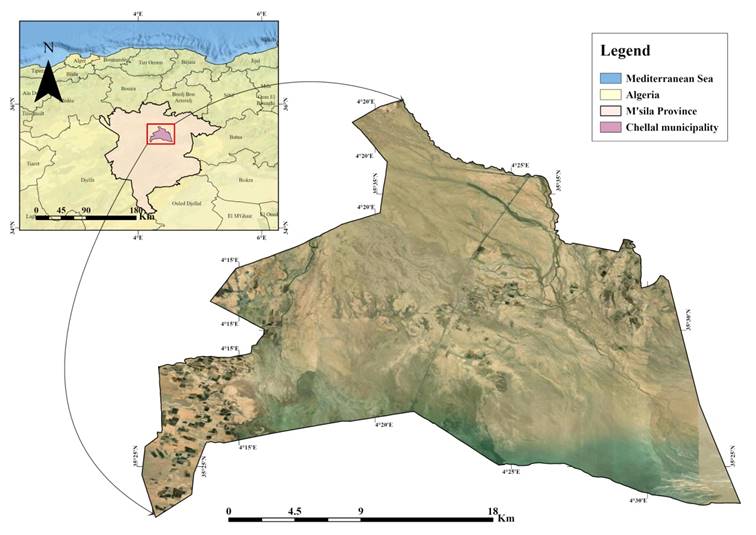
Figure 01: Map of the region considered in this stud
Survey and Data Collection
Using 244 questionnaire forms, an ethnobotanical field survey was conducted during February and March 2026 among people who come into contact with plants (farmers, city dwellers, and herbalists) throughout the El-Chellal-M’sila region.
Each survey questionnaire form contains the following information: personal information (age, gender and education level) and information about the insecticidal plants used (plant name, part used, purpose of use, method of use).
Repellent activity of powders
Animal Material
The mass breeding of Tribolium castaneum is carried out in a plastic container containing 5 kg of durum wheat semolina. This is done under laboratory conditions at a temperature of 20-25°C and at a relative humidity between 65 and 70%.
Plant Material
In our study, the plant material consists ofSyzygiumaromaticumL.,Laurus nobilis L.andRosmarinus officinalisL.and Ruta chalepensis L.was obtained from herbalists of the wilaya of M’sila.
The four dry plants are ground separately using an electric grinder until they are reduced to a powder. The powder from each plant was kept in glass jars away from light until it was used.
Repellency test
The repellent effect of the powder of each plant on the adults of the Tribolium castaneum Herbest. was evaluated using the preferential zone method on filter paper described by Mc Donald et al., (1970) with some modification.
Repellency assay was carried out in glass Petri dishes diameter 09 cm (63,62 cm²). The Whatman filter paper 09 cmwas cut into two equal halves and 0.5g, 1g and 1.5g of each powder plants was mixed with 2g ofdurum wheat semolinaapplied to filter paper half as uniform. The other half of filter paper was treated with 2g semolina only. Twenty insects were released at the centre of the filter paper disc and then Petri dishes were covered. Three replicates were set for each dose of powders.
Number of insects on both treated and untreated halves was recorded after 2 h of the start of the experiment:
PR (%) = [(Nc – Nt) / (Nc + Nt)] × 100
Nc is the number of beetles on the control half, and Ntis the number on the treated half.
Table 01:Repellency percentage according to the classification by McDonald et al., (1970).
| Class | PR proportion (%) | Description |
| O | PR < 0.01 | Not repellant |
| I | 0.1 < PR ≤ 20.0 | Fair repellant |
| II | 20.1 ≤ PR ≤ 40 | Moderate repellant |
| III | 40.1 ≤ PR ≤ 60 | Good repellant |
| IV | 60.1 ≤ PR ≤ 80 | Very repellant |
| V | 80.1≤ PR ≤ 100 | Perfect repellant |
Data analysis
The data recorded on the survey forms were then entered and analyzed using Microsoft Excel 2007. The Relative Citation Frequency (RCF) was calculated using Equation:
RCF = Citation frequency per plant / Total number of references × 100
3. Results
Ethnobotanical survey
A total of two hundred forty-four (244) informants were interviewed, including 72.13% in Khatouti, 19.67% in Sed eldjir, and 8.20% in Chellal (Figure 02). The informants are divided by gender as follows: 122 men (53 of whom use insecticidal plants and 69 of whom do not) and 122 women (72 of whom use insecticidal plants and 50 of whom do not) (Figure 03), and their ages range from 20 to 70 (Figure 04). The majority of respondents who use insecticidal plants have a university degree (48.21%) (Figure 05).
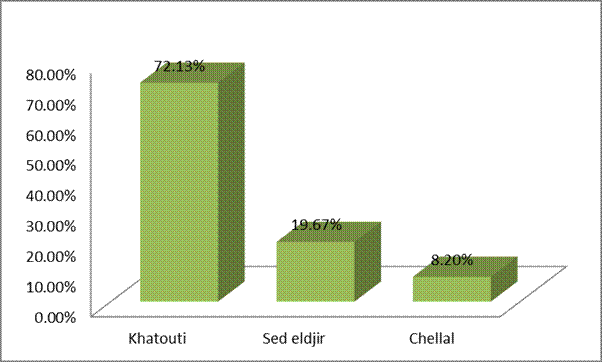
Figure 02: Distribution ofinformants from the communities of El-chellal.
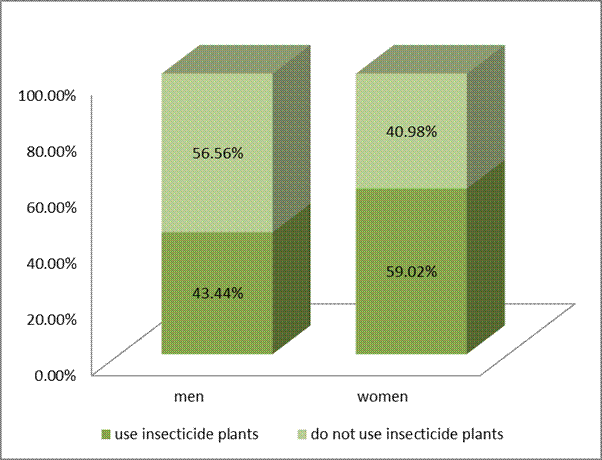
Figure 03:Distribution of informant’s sex.
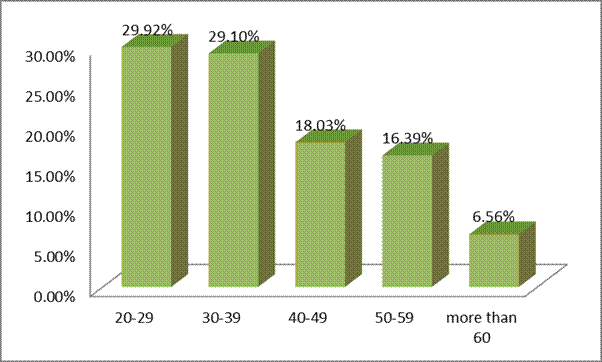
Figure 04:Distribution of informant’s age
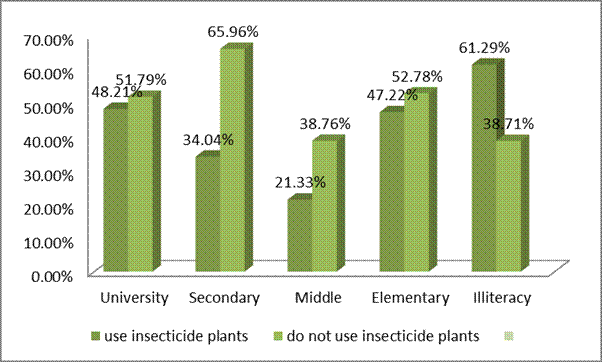
Figure 05: Distribution of respondents according to the level of study
The results show that 41 different plant species from 23 different families (Table 02)were used in the El-Chellal region to control insects’ pests.The most important family is the Lamiaceae, represented by 8 species, the Cucurbitaceae, Myrtaceae and Solanaceae families with three species, the Asteraceae, Rutaceae, Lauraceae, and Apiaceae families with two species each, and the rest of the families are represented by a single species.Regarding the species most used by the surveyed population are respectively: Green mint (Mentha spicta L.), White wormwood (Artemisia herba alba Asso.), Black pepper (Piper nigrum L.), Common myrtle (Myrtus comminus M.), Chili pepper (Capsicum annuum L.), Clove (Syzygium aromaticum L.), Lavender (Lavandula officinalis L.), Oregano (Thymus sp.), Oleander (Nerium oleander L.), Rosemary (Rosmarinus officinalis L.), Rue (Ruta chalepensis L.), Lemon (Citrus limonum Risso.), and Harmel (Peganum harmala L.).
The inhabitants of El-Chellal use plants with insecticidal properties to combat a variety of insects, according to the results shown in figure 06. Mosquitoes account for 43.87% of all insects attacked, followed by stored grain insects (29.45%), flies (28.83%), ants (19.33%), and textile moths (15.34%).Of the 244 respondents, 85.89% employ insecticidal plants to repel harmful insects, while 15.64% use them to kill them(Figure 07).
Table 02: The insecticidal plants used in the El-Chellal region
| Plants species | Family Name | Localy Name | Used parties | Methods used | Targetedinsects | The purpose of its use |
| Mentha spicata L. | Lamiacées | النعناع Nànaa | Aerial part Roots | Raw plant Aqueous solution Powder Burn the leaves | Mosquitoes Flies Ants Stored grain insects Moths | Expulsion Murder |
| Mentha pulegium L. | Lamiacées | فليو Flyou | Aerial part | Powder | Mosquitoes Flies Stored grain insects | Expulsion |
| Salvia Officinalis L. | Lamiacées | ميرمية Mirameya | Aerial part | Aqueous solution | Mosquitoes | Expulsion |
| Lavandula officinalis L. | Lamiacées | خزامى Khzama | Aerial part | Raw plant Aqueous solution Powder Burn the leaves | Mosquitoes Flies Ants Stored grain insects Moths | Expulsion Murder |
| Ajuga ivaL. | Lamiacées | الشندقورة Chandgora | Aerial part | Raw plant Powder | Mosquitoes | Expulsion |
| Rosmarinus officinalis L. | Lamiacées | إكليل Iklil | Aerial part Roots | Raw plant Aqueous solution Burn the leaves | Mosquitoes Flies Ants Stored grain insects Moths | Expulsion Murder |
| Thymus vulgaris L. | Lamiacées | الزعتر Zaatar | Aerial part | Raw plant Powder Burn the leaves | Mosquitoes Flies Stored grain insects Moths | Expulsion Murder |
| Melissa officinalis | Lamiacées | المليسة Melissaa | Aerial part | Raw plant | Mosquitoes | Expulsion |
| Cucurbita pepo | Cucurbitacées | كابوية kaboya | Aerial part | Raw plant | Flies | Expulsion |
| Citrullus colocynthis | Cucurbitacées | الحضل Handhal | Fruits | Aqueous solution | Mosquitoes Flies Ants | Expulsion |
| Cucumis sativus L. | Cucurbitacées | الخيار K’yar | Aerial part Fruits | Raw plant | Stored grain insects | Expulsion |
| Capsicum annum L. | Solanacées | الفلفل الحار Felfelhar | Aerial part Seeds Fruits | Raw plantPowder Burn the leaves | Mosquitoes Flies Ants Stored grain insects | Expulsion Murder |
| Cestrumnocturnum L. | Solanacées | مسك الليل Meskelil | Aerial part | Raw plant | Mosquitoes Flies | Expulsion |
| Nicotiana tabacum L. | Solanacées | التبغ Tebgh | Aerial part | Raw plant Aqueous solution Burn the leaves | Mosquitoes Flies Stored grain insects Moths | Expulsion Murder |
| Artemisia Herba alba Asso. | Astéracées | الشيح Chih | Aerial part | Raw plant Aqueous solution Burn the leaves Powder Other method | Mosquitoes Flies Ants Stored grain insects Moths | Expulsion Murder |
| Chrysanthemum sp. | Astéracées | أقحوان Okehowan | Aerial part | Aqueous solution Burn the leaves Powder | Mosquitoes Flies Stored grain insects Moths | Expulsion Murder |
| Myrtus comminus L. | Myrtacées | ريحان Raihan | Aerial part Seeds | Raw plant Aqueous solution Burn the leaves Powder Other method | Mosquitoes Flies Ants Stored grain insects Moths | Expulsion |
| Syzygium aromaticum L. | Myrtacées | قرنفل kronfel | Aerial part Seeds Fruits | Raw plant Aqueous solution Burn the leaves Powder | Mosquitoes Flies Stored grain insects Moths | Expulsion |
| Eucalyptus globulus L. | Myrtacées | الكاليتوس Kalitousse | Aerial part | Raw plant Aqueous solution Burn the leaves Powder Other method | Mosquitoes Flies | Expulsion |
| Ruta chalepensis L. | Rutacées | الفيجل Fidjel | Aerial part | Raw plant Aqueous solution Burn the leaves Powder | Mosquitoes Flies Ants | Expulsion |
| Citrus limonum Risso. | Rutacées | الليمون Limoune | Aerial part Fruits | Raw plant Aqueous solution Burn the leaves Other method | Mosquitoes Flies Ants Moths | Expulsion Murder |
| Cinnamomum verum | Lauracées | القرفة Karfa | Bark | Raw plant Aqueous solution Powder Other method | Flies Ants Stored grain insects | Expulsion |
| Laurus nobilis L. | Lauracées | الرند Rand | Aerial part Roots | Raw plant Burn the leaves Other method | Flies Ants Stored grain insects | Expulsion |
| Allium cepa L. | Liliacées | بصل Bassal | Bulb | Raw plant | Flies | Expulsion |
| Allium sativum L. | Liliacées | الثوم Thoum | Aerial Part Bulb | Raw plant | Mosquitoes Flies Stored grain insects | Expulsion |
| Coriandrum sativum L. | Apiécées | الكزبرة koussbre | Aerial Part | Raw plant | Flies -Ants | Expulsion |
| Ferula assafoetidasL. | Apiécées | الحلتيت Heltit | Resin | Raw plant Powder | Mosquitoes Flies Ants | Expulsion |
| Piper nigrumL. | Piperacées | الفلفلالأسود Felfel aswad | Seeds | Raw plant Powder Burn the leaves Other method | Stored grain insects | Expulsion Murder |
| Olea sp | Oléacées | زيتون Zitoun | Aerial Part | Burn the leaves | Mosquitoes Flies | -Expulsion |
| Nigella sativa L. | Renonculacées | سينوج Sinoudj | Seeds | Powder Burn the leaves Other method | Mosquitoes Flies Stored grain insects | Expulsion Murder |
| Peganum harmalaL. | Zygophyllacées | الحرمل Harmel | Aerial part | Raw plant Burn the leaves Other method | Mosquitoes Flies Stored grain insects Moths | Expulsion |
| Nerium oleander L. | Apocynacées | الدفلة Defla | Aerial part | Raw plant Aqueous solution Powder Burn the leaves Other method | Mosquitoes Flies Ants Stored grain insects Moths | Expulsion Murder |
| Juniperus phoenica L. | Cupressacées | العرعار Arar | Aerial part | Burn the leaves Other method | Mosquitoes Flies Ants Moths | Expulsion |
| Coffea sp. | Rubiacées | قهوة Kahwa | Seeds | Powder | Ants | Expulsion |
| Lawsonia inermis L. | Lythracées | الحنة Henna | Aerial part | Raw plantPowder Burn the leaves | Mosquitoes Ants Moths | Expulsion Murder |
| Urtica urensL. | Urticacées | الحريق Hourik | Aerial part | Raw plant | Mosquitoes | Expulsion |
| Cynodon dactylon | Poacées | النجم Njem | Aerial part | Burn the leaves | Mosquitoes Flies | Expulsion |
| Borago officinalisL. | Boraginaéces | لسان الثور Lesan ethour | Aerial part | Raw plant | Flies | Expulsion |
| Pélargonium graveolens | Géraniacées | عطرشة Aterchaya | Aerial part Roots | powder | Ants | Expulsion |
| Azadirachta indica L. | Meliacées | النيم Neem | Aerial part | Raw plant | Ants | Murder |
| Ziziphus spinachristi L. | Rhamnacées | السدر Sedra | Seeds | Aqueous solution | Moths | Murder |
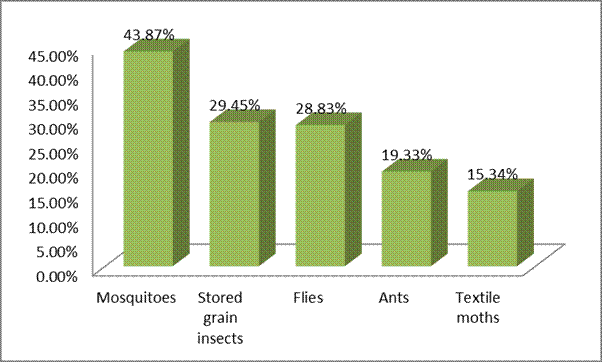
Figure 06: The insects targeted by insecticidal plants
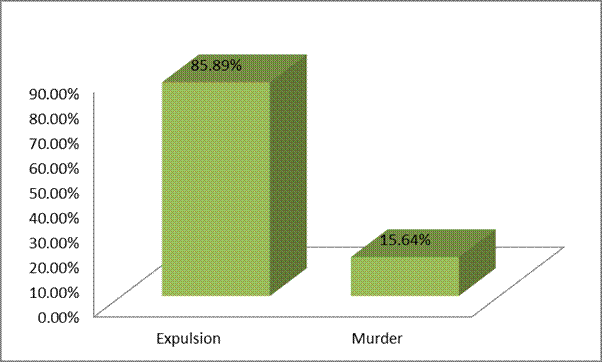
Figure 07:The purpose of using insecticidal plants
The parts of the plants that are most commonly used are the aerial (vegetative) part with a percentage of 80.48% mainly followed by the seeds with 17.07 %, the fruits with 12.19%,the roots with 9.70%, the bulb with 4.87% and lastly the bulb and the resin with 4.60%(Figure 08).The methods of using insecticidal plants by the inhabitants of the El-Chellal region vary depending on the type of plant used and the type of insect targeted. The most common methods, the use of raw plants represented the highest percentage (39.88%), followed by powder (29.14%), burning the leaves (19.02%), aqueous solution (14.42%), and other methods (10.43%) (Figure 09).
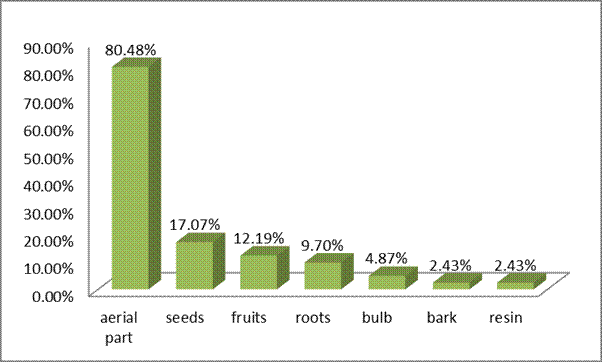
Figure 08: The part of the plants that is used
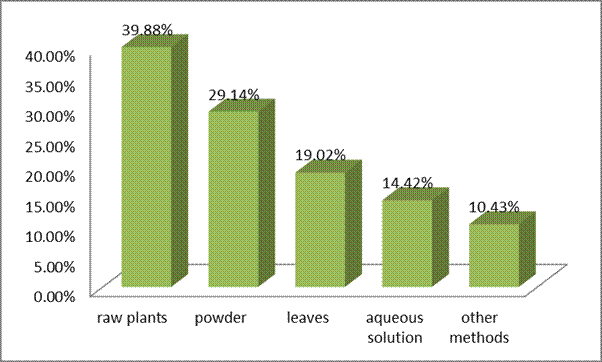
Figure 09:The different methods of using insecticidal plants
Repellent activity of powders
The results of the evaluation of therepellency effects of the powders from Syzygium aromaticum L.,Ruta chalepensis L., Laurus nobilis L. and Rosmarinus officinalis L.on adults of Tribolium castaneumHerbest. are shown in Table 03 and Figure 10. The results also revealed a very effective repellent potential of Syzygium aromaticum L. powder against adults of Tribolium castaneum with all doses repelling at least 100% of the insects in less than 2 hour of exposure. The highest dose of Ruta chalepensis L., Laurus nobilis L. and Rosmarinus officinalis L.had a strong repellent effect of 87.78%, 76.83%, 16.65%respectively on adults of T. castaneum. At the lowest dose repellency effect of powders from Syzygium aromaticum L., Ruta chalepensis L., Laurus nobilis L. and Rosmarinus officinalis L. were recorded to be 76.65%, 73.35% and 3.35%. This clearly shows that the percentage of repulsion increases depending to the plants species and the doses of powders, the most remarkable effect is recorded with the dose (1.5g).
Table 03: Repulsion percentage of powder from Syzygium aromaticumL., Ruta chalepensisL., Laurusnobilis L. Rosmarinus officinalisL.againstTriboliumcastaneumHerbest.adults
| Doses of Powder | 0.5g | 1g | 1.5g | Repulsion Mean % | Class |
| SyzygiumaromaticumL. | %100 | %100 | %100 | %100 | V Perfect repellant |
| Ruta chalepensis L. | 76.65% | 93.35% | 93.35% | 87.78% | V Perfect repellant |
| Laurus nobilis L. | 73.35% | 73.35% | 83,35% | 76.83% | IV Very repellant |
| Rosmarinus officinalisL. | 3.35% | 10% | 16.65% | 10% | I Fair repellant |
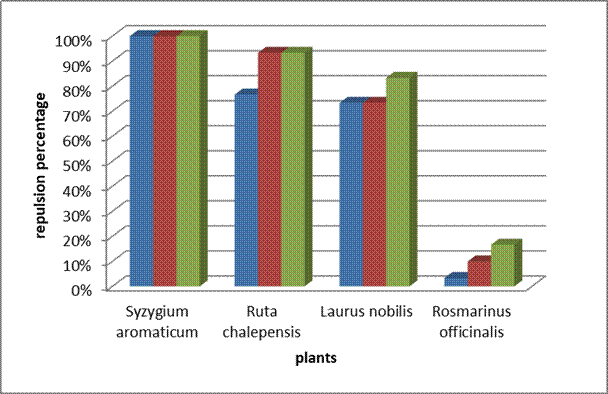
Figure 10: Repulsion percentage of powder from Syzygium aromaticum L., Ruta chalepensis L., Laurus nobilis L. and Rosmarinus officinalis L. on adults of Tribolium castaneum
4. Discussion
This study aimed to gather and document the knowledge of the El Chelal population regarding plants used as insecticides or repellents, with the goal of identifying potential candidates for the development of anti-insecticide products. The results reveal women predominance among the interviewed traditional healers, with 59.02% women compared to 43.44% male.These values are similar to the results obtained in other studies on the use of insecticidal plants by women (Baana et al., 2018; Karunamoorthiet Hailu, 2014), but contradicts the results obtained in Bénin, where it was reported that women represented the majority of practitioners in this field(Dossou et al., 2025).Data analysis reveals that plants from the Lamiaceae family are the most frequently cited for pest control, having been extensively researched for their insecticidal qualities(Yeom et al., 2018;Abo El-Kasem Bosly, 2022; Yangetal., 2023; Ayala-Guerrero et al., 2026). The plant most frequently mentioned in the study is the Green mint (Mentha spicta L.). Research conducted in Algeria has already highlighted the insecticidal properties of this plant,the essential oil extracted from Mentha spicata L. collected from Bir Ghebalou mountain, near Bouira, Algeria was tested for their bio-insecticide effect against two different insect pest species affecting stored cereals .The test results showed that the aerial part of Spearmint have a toxic effect on adults of Weevil (60% mortality) and Tribolium (70% mortality)(Bendifallah et al., 2021), Research by Mejdoub et al. (2019) validated that Mentha spicata possesses insecticidal properties targeting Bactroceraoleae, which causes olive rot.
Among the plant species listed in this survey, the most commonly used parts are the aerial parts (80.48%). This predominance of the use of aerial parts could be explained by the immediate availability of their active constituents, often in the form of volatile compounds. Indeed, the most frequently used insecticidal or repellent plants are generally those rich in essential oils.
In the present study, the best repellency test results against T. castaneum were obtained at a dose of 1.5g of Syzygium aromaticum L.andRuta chalepensis L. powders. The powders of Laurus nobilis L. and Rosmarinus officinalis L. at the same dose presented lower repellency. Repellency actions of powder from some plant materials against insect pests of stored products have been tested by some researchers (Achiri et Njweng, 2015;Suleiman et Sani, 2017;Pena-Flores et al., 2025; Nazir et al., 2025; Mahmoud et al., 2026)
The superior performance of powder of Syzygium aromaticum L. observed in this study aligns closely with the findings of Bandara et Senevirathne (2021), Statistically significant contact repellent effects (p < 0.05) were observed across all tested concentrations (200, 400, and 600 mg) and exposure durations (1 to 24 hours) for the bud, stem, and leaf powders.Bud powder demonstrated the highest overall repellency, reaching93.33 % at 400 and 600 mg concentrations after 24 hours, and achieved over 50% repellency within just 2 hours of treatment.Stem powder recorded the second-highest repellent activity (81.67 %) at 600 mg after 24 hours, crossing the 50% threshold after 6 hours.Leaf powder consistently exhibited the weakest repellent effect among the tested parts. According to the evaluation classes, bud powder (Class IV) and stem powder (Class III) were categorized into the highest repellent tiers. The mean repellency of ants ranged from 98.6 to 99.4% when the application rate of clove powder was increased from 0.34 to 1 mg/cm2 at 3 hours (Lekhnath et Cheng, 2013).Najem et al. (2019) confirmed the potent insecticidal properties of Ruta chalepensis L. powder against Tribolium castaneum (Herbst.) adults. Their study revealed that adult mortality rates increase with both exposure duration and dosage, demonstrating significant efficacy even at a low dose of 0.5 g. notably, mortality reached 100% within 22 days at a 2 g dose, underscoring the strong potential of Ruta chalepensis L. powder as a bio-insecticide.Concerning the insecticidal and repellent properties of Laurus nobilis L., a laboratory study conducted in Oaxaca, Mexico, found that powder concentrations of 1%, 2%, and 3% yielded lower mortality and repellency rates against the insect Sitophilus zeamais (Pena-Flores et al., 2025).
The repulsive effects observed in this study may be attributed to various secondary metabolites present in the studied plant species, to the potential insecticide of essential oils, or to various extracts of those plants species, which have been demonstrated against several insect species causing damage to a variety of cultures.
Repellency tests results indicated that cloves essential oil possessed significant pest repellent activity to S. zeamais. Repellent action was highly dependent upon oil concentration and exposure time. Essential oil of cloves at 10% concentration showed highest repellent activity (98.75%) against S. zeamais at 24 h (Aryal et al., 2023). Alimi et al., (2023) evaluated the adulticidal, ovicidal, larvicidal and repellent proprieties of clove essential oil, eugenol and ethanolic extract on Hyalomma scupense, in vitro. Eugenol, the primary phytoconstituent of clove oil, which accounts for 97.66% of the whole oil, had 99.22% acaricide activity and inhibited egg hatching at a concentration of 10 mg/mL. Eugenol and clove essential oil showed potent adulticidal effect at high concentrations (10 mg/mL), achieving 100 and 93.76% mortality, respectively. The ethanolic extract exhibited moderate activity. At high concentration, the larvicidal activity of S. aromaticum oil, eugenol, and ethanolic extract were 100, 100, and 77.18%, respectively. In filter paper experiments, when tested at the concentration 5 mg/mL; eugenol showed the longest repellent effect up to 6 h. We also found that eugenol was the most active AChE inhibitor (IC50 = 0.178 mg/ mL).Tampe et al., (2016) evaluated the repellent effect of the essential oil of the rue (Ruta chalepensis)against the weevil Aegorhinus superciliosus, an important pest of fruit crops in Chile. Behavioral bioassays showed that the rue essential oil elicited a repellent effect against male andfemale A. superciliosus (p ≤ 0.05) at a concentration of 1.92 x 10⁷ ng/cm2. However, at a lower concentration ofthe oil (285.7 ng/cm2), only females were repelled (p ≤ 0.05).The essential oil ofRuta chalepensisis endowedwith a very repulsive power belonging to class V, which is strongly due to its majority compound 2-undecanone. The dose 0.038 μl/mlgave a repellent power of 100% after 15 min. The tests also revealed a considerable insecticidal effect, which reached 100% after 48 hoursat a dose of 0.62 μl/ml (Najem et al., 2020).El Baghazaoui et al.,(2024)assess the effectiveness of essential oils (EOs) derived from Laurus nobilis L. leaves originating from the Tanger (EOT) and Meknes (EOM) regions in combating Callosobruchus maculatus infection. Notably, the EOs exhibited significant repellent activity against C. maculatus, with repulsion percentages ranging from 51.11 to 90.00% in Tanger and 67.78 to 93.33% in Meknes. Mortality rates varied from 0 to 100% depending on the treatment. However, the mean concentrations showed mortality rates ranging from 29.44 to 65.56% for the EOT and from 21.11 to 67.78% for the EOM. Using a dual-choice olfactometer, the essential oil of Laurus nobilis L. exhibited a clear dose-dependent repellent activity against adult E. ceratoniae. Repellency ranged from 32.4% at the lowest concentration to 94.6% at 8.0% after one hour, with the highest concentration maintaining 79.4% repellency even after six hours(Ben Salah et al., 2025).The repellent effect of rosemary essential oil was evaluated against T. castaneum and S. oryzae. For T. castaneum, peak repellency occurred at doses of 62.87 and 31.44 μg/cm², with ANOVA revealing a significant effect of time (P = 0.0026), doses (P = 0.0129), and their interaction (P = 0.0112). Conversely, for S. oryzae, maximum repulsion was observed at 251.49 μg/cm², though exposure time, doses, and their interaction were not statistically significant (Mahfuz et al., 2023).Pedroso et al., (2023) tested the effects of R. officinalis essential oil on biomarkers of oxidative damage in Drosophila melanogaster. Exposure to R. officinalis essential oil increased adultmortality and decreased geotaxis behavior in adult fruit flies .In addition, essential oil increased of larval mortality and impaired the developmental success in D. melanogaster. R.officinalis essential oil showed a significant repellent effect, with duration time of about 6h.
Plant species with repellent properties protect stored foods, such as cereals and legumes, as well as other valuable commodities from pest damage. By rendering these materials unpalatable or offensive, plants effectively deter pests from infesting them (Ito et Anigboro, 2019).The effect of plant powders is mainly explained by causing the deathof the individual due to toxicity derived from direct physical contact, making breathingdifficult, and/or causing abrasion of the cuticle, leading to water loss and dehydrationand/or ingestion; in food deterrence by making the food unattractive and/or unpleasant,causing the death of the insect due to starvation; by decreasing the oviposition rate due to the reduction in the longevity and physical condition of adults to procreate; as well asthe presence of volatile compounds that repel individuals (Boate et Otayor, 2020).
5. Conclusion
This study explored local knowledge on repellent or insecticidal plants against harmful insects in El Chellal, identifying 41 species used. The aerial part is the most used part due to its richness in volatile compounds. The use of the raw plant is the most commonly used method. Based on Mc. Donald’s (1970) classification, the findings indicate that all tested plants powders exhibit potential repellent properties on Tribolium castaneum Herbest. That the percentage of repulsion increases depending to the plants species and the doses of powders, the most remarkable effect is recorded with the dose (1.5g) and the species Syzygium aromaticum L. The results highlight the potential of these plants for the development of new products. However, further studies are necessary to deepen the understanding of the mechanisms of action of these plants and to validate their effectiveness through phytochemical analyzes and practical trials.
References
1. Abo El-Kasem Bosly H. (2022). Larvicidal and adulticidal activity of essential oils from plants of the Lamiaceae family against the West Nile virus vector, Culex pipiens (Diptera: Culicidae). Saudi Journal of Biological Sciences, 29 (103350), 10p.
2. Acheuk, F., Abdellaoui, K., Lakhdari, W., Chahbar, N., Belaid, M., Baouche, N., & Bouazouz, H. (2020). Potentials of the extracts of Algerian Saharan plant Cotula cinerea for the management of two insect pests, Aphis fabae and Tribolium castaneum. Tunisian Journal of Plant Protection, 15(2). https://doi.org/10.52543/tjpp.15.2.2
3. Achiri D. T. &Njweng M. A. (2015). Bioactivity of cypress leaf powder (Cupressus macrocarpa) on cowpea weevil (Callosobruchus maculatus Fabr. Coleoptera: Bruchidae) and maize weevil (Sitophilus zeamaisMotschulsky, Coleoptera: Curculionidae) in stored maize grains in Cameroon. International Journal of Interdisciplinary and Multidisciplinary Studies (IJIMS), 2(4): 1-10
4. Alimi D., Hajri A., Jallouli S. &SebaiH. (2023). Toxicity, repellency, and anti-cholinesterase activities of bioactive molecules from clove buds Syzygium aromaticum L. as an ecological alternative in the search for control Hyalommascupense(Acari: Ixodidae)Heliyon, 9 (e1889): 1-11
5. Aryal S., Poudel A., Bajracharya A.S.R, Aryal L.N. & Kafle K.(2023). Toxicity evaluation of essential oil of clove (Syzygium aromaticum) bud against Sitophilus zeamaisMotschulsky (Coleoptera: Curculionidae). Journal of Nepal Agricultural Research Council, 9:22-35.
6. Ayala-Guerrero L.M., Mondragon -Rojas F.J., Cabrera-Hidalgo A. D. J., Bivian-Hernandez M. l.A., Gomez-Patino M. B., Andrade-Hoyos P., Mendieta-Moctezuma A. & Ibarra-Torres P. (2026). Fumigant Toxicity of Essential Oils of the Lamiaceae Family Against Spodoptera frugiperdaLarvae.Insects, 17, 162
7. Baana K., Angwech H. & Malinga G.M., (2018). Ethnobotanical survey of plants used as repellents against housefly, Musca domestica L. (Diptera: Muscidae) in Budondo Subcounty, Jinja District, Uganda. Journal of Ethnobiology and Ethnomedicine:1-8 ,14:35
8.Bandara P. Senevirathne M. (2021). Efficacy of different parts of clove (Syzygium aromaticum) for the management of rice weevil (Sitophilus oryzae L.).Proceeding of the Open University Research Sessions (OURS), 1-5
9.Ben Salah M., Gharbi N. & Khelifi S. (2025). Dose-dependent repellent activity of Laurus nobilis leaf essential oil against adult Ectomyeloisceratoniae Zeller under laboratory conditions. Journal of Entomology and Zoology Studies, 13(6): 326-329
10. Bendifallah L., Tabli R., Khelladi H., Hamoudi-Belarbi L., Hamoudi S.(2021). Biological Activity of the Mentha spicata L. and Salvia officinalis L. (Lamiaceae) Essential Oils on Sytophilusgranarius L. and Tribolium confusum Jac. Du Val. Infested Stored Wheat. Biol. Life Sci. Forum, 4 (108): 9p.
11. Boate U.R. &Otayor R.A. (2020). Review on the bio-insecticidal properties of some plant secondary metabolites: Types, formulations, modes of action, advantages and limitations. Asian J. Res. Zool.3 : 27–60.
12. Boudemagh, N. E. H., Bouzellat, N., &Boulaiche, R. (2025). Characterization of insecticidal plants used in Setif, Algeria. Indian Journal of Entomology. https://doi.org/10.55446/ije.2025.3293
13. Chelef, M., Hemida, H., Hassani, A., &Mazrou, K. (2020). Efficacy of three vegetal powders against Sitophilus granarius in stored wheat and the evaluation of their effect on grain parameters. International Journal of Environmental Studies, 78(4), 679–695. https://doi.org/10.1080/00207233.2020.1845556
14. Chitra S. & Subramanian S. (2016). Storage insect pests and their damage symptoms: an overview. Journal of Grain Storage Research, 53-58.
15. Demis E. &YenewaW. (2022). A review on major storage insect pests of cereals and pulses. Asian Journal of Advances in Research, 12(1): 41-56.
16. Dossou M., Aikpon R., Todo E., Lokossou A.S., Adjottin B., Obossou E. &Dassou H. (2025).Étudeethnopharmacologique des plantes utilisées contre les moustiques dans les trois zones bioclimatiques du Bénin.Int. J. Biol. Chem. Sci. 19(1): 180-195
17. El Baghazaoui R., Belmalha S., Boutagayout A., Nassiri L., El Alami S., Savoie J.M., Bouiamrine E.H. (2024).Insecticidal Properties and Chemical Characterization of LaurusnobilisL. Essential Oils from Two Regions of Morocco against Callosobruchusmaculatus(Coleoptera: Bruchinae). Agriculture, 14, 1150.
18. Elumalai K., Kasinathan I. D. & Saranya J. (2016). Role of plants and plant based products towards the control of insect pests and vectors: A novel review. Journal of Coastal Life Medicine; 4(11): 930-946
19. Hamel D., Rozman V. & LiškaA. (2020). Storage of Cereals in Warehouses with or without Pesticides. Insects, 11(12), 846. doi:10.3390/insects11120846
20.Ito E.E.&Anigboro O.F., (2019). Evaluation of Repellent Potential of Some Botanical Products against Cowpea Weevil, Callosobruchus maculatus (Fabricius) (Coleoptera: Bruchidae). Jordan Journal of Biological Sciences,12( 3 268):267- 273
21. Karunamoorthi K. & Hailu T.(2014). Insect repellent plants traditional usage practices in the Ethiopian malaria epidemic-prone setting: an ethnobotanical survey. Journal of Ethnobiology and Ethnomedicine, 10:22, 1-11
22. Lekhnath K. & Cheng J. S. (2013).Toxicity and Repellency of Compounds From Clove (Syzygium aromaticum) to Red Imported Fire Ants Solenopsis invicta (Hymenoptera: Formicidae). Journal of Economic Entomology, 106(1):131-135.
23.Mahfuz I., Khatun R., Jahan N., Akhter R., Mahdi S.H.A, (2023).Repellent effect of lavender and rosemary essential oil against Tribolium casteneumandSitophyllusoryzae .International Journal of Entomology Research, 8(1):36-41
24. Mahmoud H. M., Azab M.M., El-Gizawy K. Kh. & Darwish A.A. (2026). Annals of Agricultural Science, Moshtohor (ASSJM), 64(1): 1– 8
25.Mc Donald, L.L., Guyr, H., Speire, R.D. (1970). Preliminaryevaluation of new candiolatematerials as toxicants, repellent and attracts against stored product insect. marketing Res. p189
26. Mejdoub K., Benomari F.Z., Djabou N., Dib M.E.A, GaouarBenyelles N., Costa J.&Muselli A. (2019). Antifungal and Insecticidal Activities of Essential Oils of Four Mentha Species.Jundishapur J. Nat. Pharm. Prod., 14(1):e64165.7p
27. Najem M., Bachiri L., Bouiamrine E.H., Ibijbijen J. & Nassiri L. (2019).Ruta chalepensis (L.): Phytochemical study and bioinsecticidal effect against Tribolium castaneum (Herbst.). International Journal of Herbal Medicine, 7(4): 01-05
28. Najem M., Bammou M., Bachiri L., Bouiamrine E.H., Ibijbijen J., & NassiriL. Ruta chalepensis L. (2020). Essential Oil Has a Biological Potential for a Natural Fight against the Pest of Stored Foodstuffs: Tribolium castaneumHerbst.Evidence-Based Complementary and Alternative Medicine Volume 2020, Article ID 5739786, 11 pages
29.Nazir T., Aslam A., Malik M.K., Akhtar M.F., bin Iqbal M.B., Nadeem I., Zubaird M., Hanif K., Qasim M.U. & Anjum N.A. (2025). Evaluation of Insecticidal and Repellent Potential of Botanicals Against the Red Flour Beetle, Tribolium castaneum (Herbst). International Journal of Research Publication and Reviews, 6 (12): 768-772
30. Ngegba P.M., Cui G., Khalid M.Z. & Zhong G. (2019). Use of Botanical Pesticides in Agriculture as an Alternative to Synthetic Pesticides. Agriculture, 12(600): 1-24
31. Pedros A.L., Schonwald M.K., Dalla Corte C.L., Antunes Soares F.A., Sperança A., Godoi B., Rodrigues de Carvalho N., (2023). Effects of Rosmarinus officinalis L. (Laminaceae) essential oil on adult and larvae of Drosophila melanogaster. Toxicology Research, 12, 913–921
32. Peña-Flores, C., Zapién-Martínez, A., Sánchez-Cruz, G., Reyes-Velasco, L., Segura-Salvador, A., Vargas-Arzola, J., Hernández-Osorio, L. A., Torres-Aguilar, H., & Bernardino-Hernández, H. U. (2025). Insecticidal and repellent activity of plant powders on the weevil (Sitophilus zeamais) in stored corn grains in a rural community of Oaxaca, Mexico. Insects, 16(3), Article 329. https://doi.org/10.3390/insects16030329
33. Suleiman M. & Sani, I. (2017).Repllency potential of three plant powder against Callosobruchus maculatus F. [Coleoptera::Chrysomelidae]. J. Biopesticides and Environment, 4 (2):9 -15
34. Tamgno B. R. & Ngamo T. S. L. (2013). Diversity of Stored Grain Insect Pests in the Logone Valley, from Northern Cameroon to Western Chad Republic in Central Africa. Journal of Agricultural Science and Technology, A 3: 724-731.
35. Tamiru A. & Khan Z.R. (2017). Volatile Semiochemical Mediated Plant Defense in Cereals: A Novel Strategy for Crop Protection. Agronomy, 7, 58.
36. Tampe J., Parra L., Huaiquil K. & Quiroz A. (2016). Potential repellent activity of the essential oil of Ruta chalepensis (Linnaeus) from Chile against Aegorhinus superciliosus (Guérin) (Coleoptera: Curculionidae). Journal of Soil Science and Plant Nutrition, 16 (1) : 48-59
37. Yang X., Jin C., Wu Z., Han H., Zhang Z., Yongjian Xie & Zhang D. (2023).Toxicity and Physiological Effects of Nine Lamiaceae Essential Oils and Their Major Compounds on Reticulitermes dabieshanensis. Molecules, 28, 2007.
38. Yeom H.J., Lee H.R., Lee S.C. , Lee J.E., Seo S.M. , Park I.K. (2018). Insecticidal Activity of Lamiaceae Plant Essential Oils and Their Constituents Against Blattella germanica L. Adult. Journal of Economic Entomology, 111(2), 653-661
39. Zohra, M. F., Assia, B., Hayet, S., Atika, B., & Koula, D. (2024). Evaluation of the insecticidal activity of Nerium oleander and Artemisia campestris powder and extract on wheat insect pests. Revista de GestãoSocial eAmbiental, 18(5). https://doi.org/10.24857/rgsa.v18n5-149